Dates: a primer from the oasis farm
Medjool, Barhi, Ajwa and the dozens in between. Our chef on how dates are grown in the valley, how to tell them apart and how we cook with them.
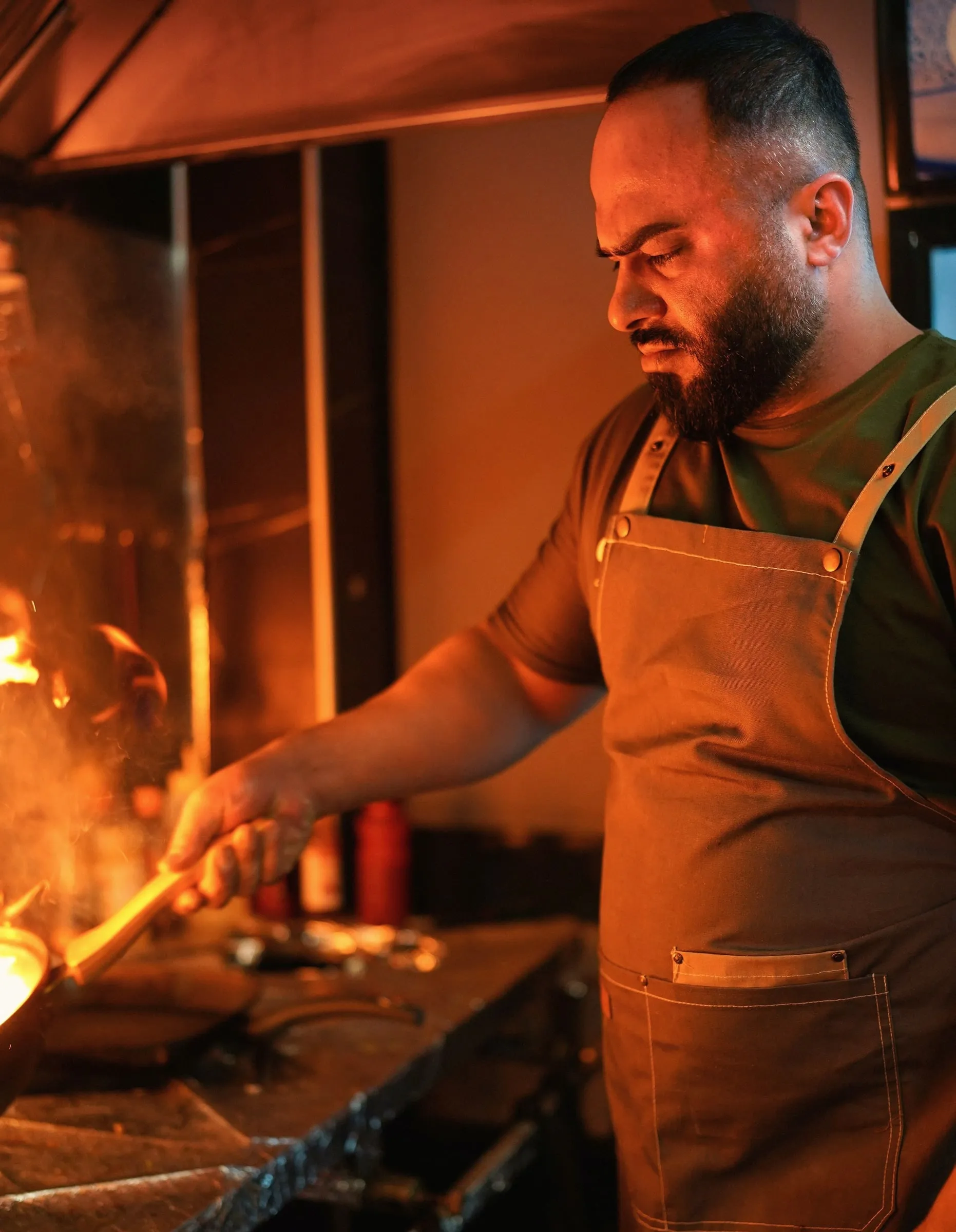 Omar HaddadHead chef
2 min read
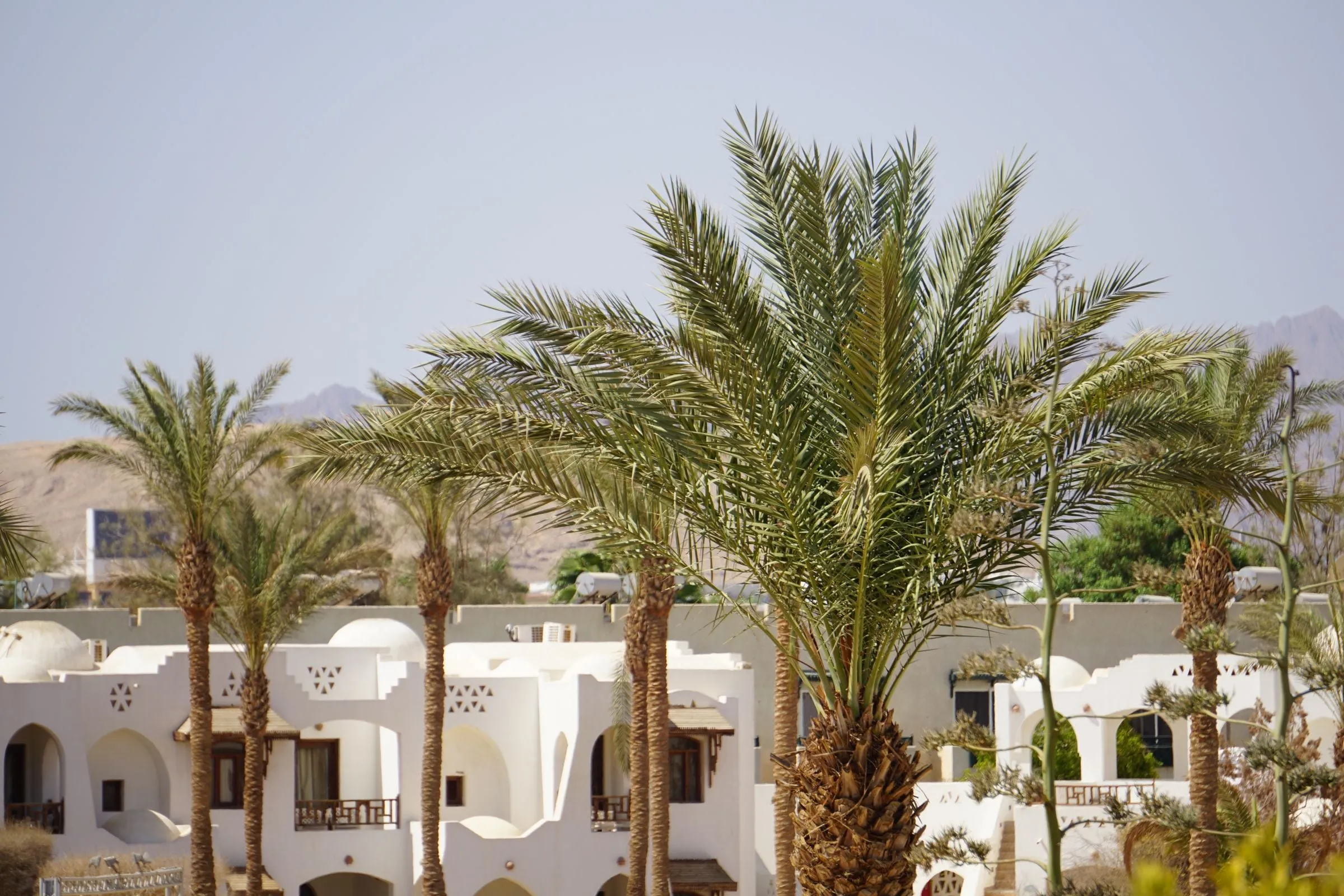
There are more than three hundred varieties of date grown in Saudi Arabia, and the oases around AlUla have been famous for them for two thousand years. Our own farm, at the head of the oasis below the resort, grows twelve. Every guest is offered dates with coffee on arrival; this is a short guide to what you are eating.
How dates grow
A date palm takes about five years to fruit and can keep fruiting for a century. The palms are male or female, and only the females bear dates. In spring our farmer climbs every female palm by hand to pollinate it with a sprig of male flowers, because relying on the wind gives a poor harvest.
The fruit ripens through stages that each have their own name and their own uses. Khalal dates are hard, crunchy and yellow or red, and taste a little like an apple. Rutab are half soft and half crisp, sweet and juicy, and are the dates most locals prize above all. Tamr are fully ripe and dried on the palm: dark, sticky and the kind most of the world knows.
Telling them apart
- Medjool: large, soft and caramel-like, the date we serve with coffee in the majlis.
- Barhi: small and round. Eaten fresh at the khalal stage in late summer, crisp and astringent; at the rutab stage it tastes of butterscotch.
- Ajwa: small, almost black and wrinkled, with a dry, prune-like richness. Highly prized, and traditionally associated with Medina.
- Sukkari: golden, crumbly and very sweet, almost like brown sugar.
The harvest runs from August to October, which is when you can taste dates fresh from the palm at the rutab stage. It is a different fruit altogether.
How we cook with them
In the kitchen we use dates the way European chefs use honey or sugar. Date syrup, dibs, goes into our breakfast labneh and the glaze for the lamb ouzi. We blend Medjool dates with cardamom and lemon for the zero-proof spritz at the bar, and roast date seeds to make a caffeine-free coffee that tastes of chicory and toffee.
Our simplest recipe is the one guests ask for most: pit a Medjool date, stuff it with a walnut half and a sliver of orange peel, and roll it in toasted sesame. Serve it with Saudi coffee, which is light, spiced with cardamom and saffron, and always poured in small amounts so your host can refill your cup.
Visiting the farm
On Tuesdays and Saturdays our farmer leads a walk through the date groves and citrus orchards, followed by lunch at a long table under the palms. Between August and October you can taste dates straight from the bunch. Children are welcome to pick, plant and taste along the way.
Written byOmar HaddadHead chef, with us since 2022