Where the heritage fee goes
Every night you stay, forty-five dollars a guest goes to the people who protect the valley. Here is exactly how it is spent, and what it has achieved so far.
 Faisal Al-RashidGeneral manager
2 min read
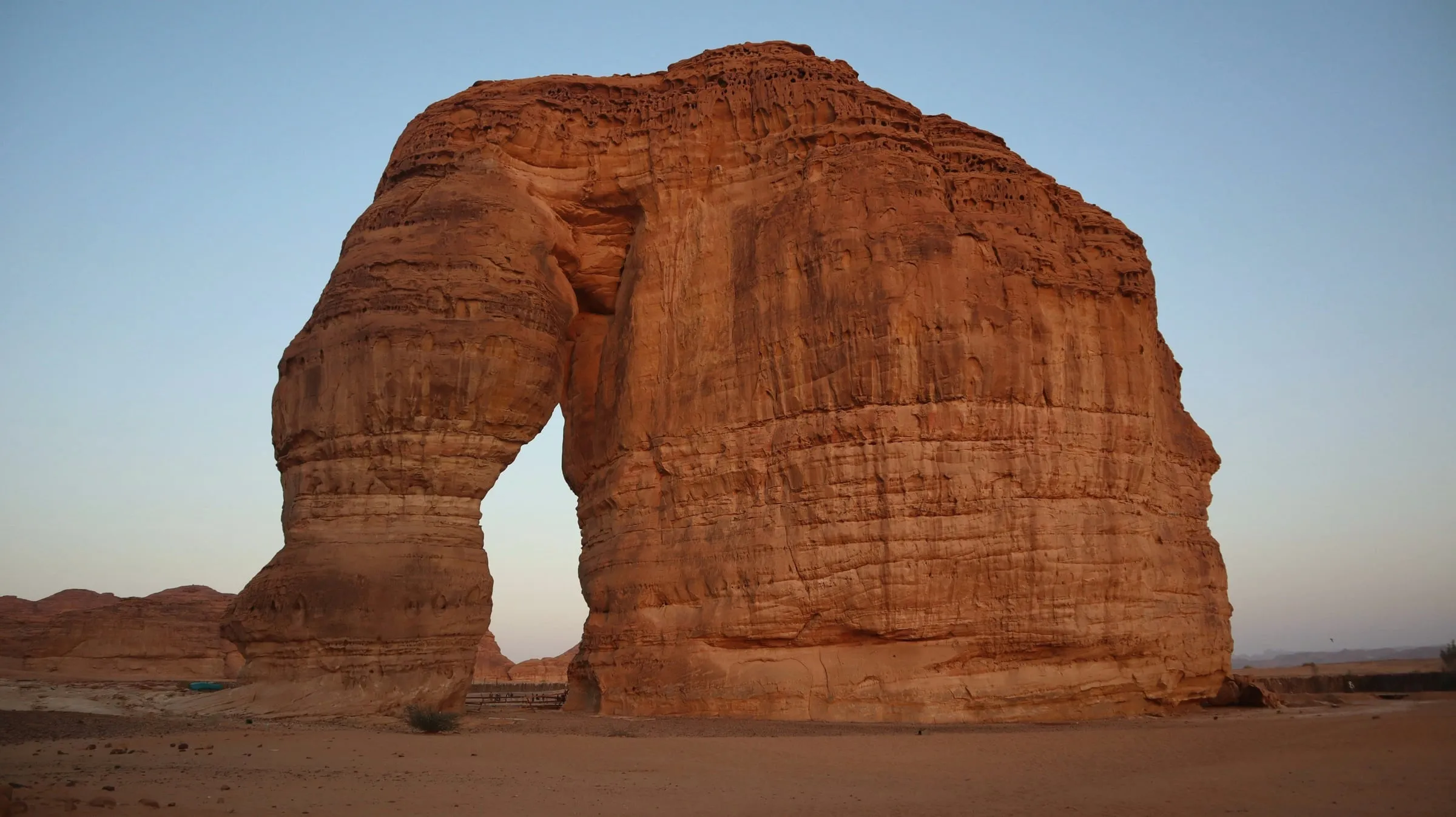
When you book a stay with us, one line on your bill is not ours. The heritage fee, forty-five dollars per guest per night, goes straight to a fund that pays for the archaeology, conservation and community work that keeps the valley as it is. We think you should know exactly where it goes.
Why there is a fee
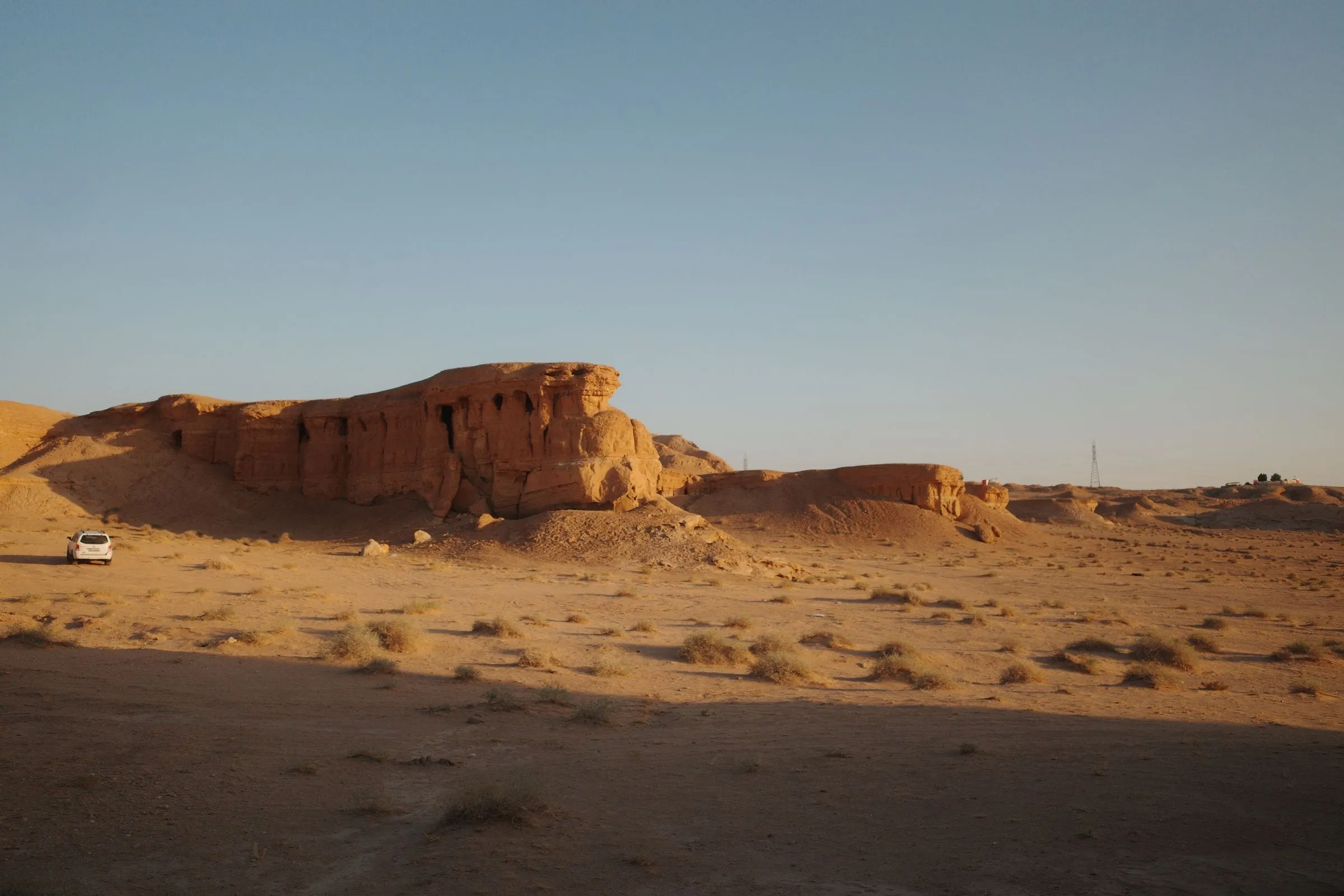
AlUla is one of the richest archaeological landscapes in the world. There are rock carvings in the canyons around the resort that are thousands of years older than Hegra, and most have never been studied. The same valleys are home to Arabian red foxes, ibex, sand cats and more than a hundred species of birds. All of it is fragile, and all of it was here long before us.
When we built the resort, we promised to leave the valley better than we found it. The fee is how we keep that promise, and it is the same for every guest in every suite and villa.
How it is spent
- Archaeology (40%). The fund pays for two field archaeologists who survey the side canyons each winter, recording rock art and inscriptions before wind and visitors wear them away. So far they have documented more than six hundred carvings within twenty kilometres of the resort.
- Rangers (25%). Four rangers patrol the wider valley on foot and by car, keep vehicles off the fragile dunes, and monitor the ibex herds that have returned to the cliffs since grazing was controlled.
- Planting (20%). A nursery at the oasis farm raises native acacia, tamarisk and wild capers. Each winter, volunteers from AlUla and our own team plant them along the wadi beds to hold the soil and shade young plants. More than eleven thousand trees have gone into the ground.
- Scholarships (15%). Every year the fund sends six students from AlUla to study archaeology, hospitality or environmental science, many of whom now work in the valley.
Seeing it for yourself
Guests often ask to meet the people the fee supports, and we are always glad to arrange it. In winter you can join an archaeologist in the field for a morning, help plant at the nursery, or walk with a ranger at dawn to look for ibex. Ask your host, and we will find a day that fits your stay.
Our promise
The fund publishes its accounts each year, and we send a short summary to every guest who has stayed with us. If you would like to give more, you can add a donation to your bill before you leave. Every dollar of it goes to the same work.
Written byFaisal Al-RashidGeneral manager, with us since 2021